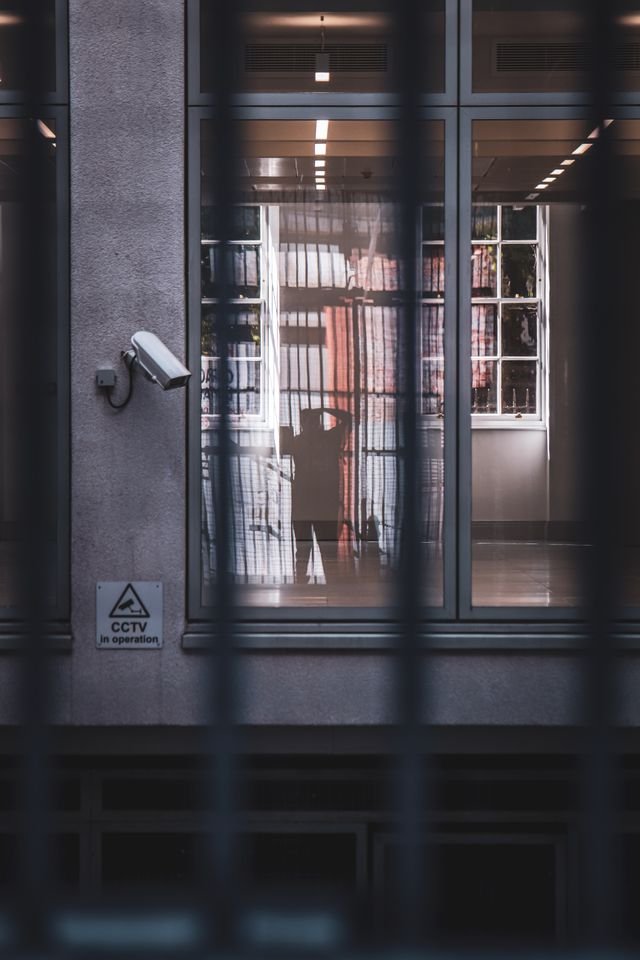
security melbourne office buildings can appear relatively low-risk compared with warehouses, construction sites or retail premises. Yet a Melbourne office may have hundreds of employees, visitors, contractors, valuable equipment, confidential information and multiple access points operating across different hours.
That makes office building security in Melbourne a matter of more than locking the front door at night. Businesses need to consider unauthorised entry, tailgating, theft, aggressive behaviour, after-hours access, contractor movements, emergencies and areas where employees may be working with limited support.
A practical security strategy combines physical security, access controls, trained personnel, surveillance, clear procedures and workplace safety measures. The right combination depends on the building, occupants, operating hours, location and identified risks.
What Are the Common Security Risks in Office Buildings?
Every office building has a different risk profile, but several security issues occur repeatedly.
Unauthorised access
An office may have a public reception area but restricted workspaces beyond it. If access controls are weak, an unauthorised person may be able to move from a public area into employee-only spaces.
This can happen through unsecured doors, shared access cards, visitors entering without an escort or people following authorised employees through controlled entrances.
Theft of property
Office equipment such as laptops, phones, documents and other portable assets can be attractive targets.
Theft does not necessarily involve a forced break-in. Poor access management, unattended equipment and inadequate after-hours controls can also create vulnerabilities.
Aggressive or threatening behaviour
Employees who deal directly with clients, customers or members of the public may face aggression or violence.
WorkSafe Victoria identifies aggression and violence as a workplace psychosocial hazard and says employers must identify and control associated risks so far as is reasonably practicable.
After-hours security
An office can look very different after employees leave.
Reduced staffing, quieter corridors and empty reception areas can make unauthorised access harder to detect. Employees working late or arriving early may also be more isolated.
WorkSafe Victoria identifies working alone, at night or outside normal business hours as factors that can increase exposure to workplace violence risks in some circumstances.
Start With a Site-Specific Security Assessment
Before installing equipment or hiring security guards, identify how people move through the building.
Map:
- Main entrances
- Reception
- Employee-only areas
- Lift access
- Stairwells
- Car parks
- Loading areas
- Plant and service rooms
- Emergency exits
- Meeting rooms
- Storage areas
- After-hours workspaces
Then consider who needs access to each area and during which hours.
A multi-tenant office building, for example, may need different controls for tenants, visitors, cleaners, contractors and building management.
WorkSafe Victoria recommends a risk-management process that includes identifying hazards, assessing risks, implementing controls and reviewing those controls when necessary.
Control Who Can Enter the Building
Access control is one of the most important components of office security.
Depending on the building, this might include:
- Swipe cards
- Electronic access credentials
- Reception-controlled entry
- Visitor registration
- Intercom systems
- Restricted lift access
- Staff-only doors
- Separate contractor access
The objective is not necessarily to make the building difficult to enter. It is to ensure that people can access the areas they legitimately need without unnecessarily exposing restricted areas.
Manage visitors and contractors
Visitor management should be straightforward enough that employees actually follow it.
A system might require visitors to register at reception, identify their host and remain in designated areas unless escorted.
Contractors may require different access arrangements because they could need to enter plant rooms, service areas or other restricted locations.
When access is granted temporarily, there should also be a process for removing or disabling that access when the work is completed.
Reduce Tailgating and Unauthorised Internal Access
One common weakness in office buildings is allowing someone to enter behind an authorised person without independently presenting credentials.
This can be difficult to eliminate completely, particularly in busy buildings.
Practical measures can include:
- Controlled entry points
- Clear visitor procedures
- Staff awareness
- Reception monitoring
- Appropriate door hardware
- CCTV coverage
- Security personnel where justified
The aim is to make access expectations clear without creating unnecessary disruption for employees.
Use CCTV as Part of a Wider Security System
CCTV can help monitor entrances, reception areas, car parks, corridors and other selected locations.
Its usefulness depends heavily on placement, coverage, lighting, system management and how staff respond to what the cameras show.
CCTV should therefore not be treated as a complete security solution.
For example, a camera may record someone entering a restricted area, but access control may have prevented the person from entering in the first place.
A stronger system can combine:
Access control — determines who can enter.
CCTV — provides visual monitoring.
Alarm systems — detect defined security events.
Security guards — provide physical observation and response.
Procedures — tell employees what to do when something occurs.
Each layer addresses a different part of the security problem.
When Should an Office Building Have Security Guards?
Not every office building needs a permanent security guard.
The need depends on factors such as:
- Building size
- Number of occupants
- Public access
- Operating hours
- Number of entrances
- Previous incidents
- Tenant requirements
- Valuable assets
- After-hours activity
- Location and surrounding environment
- Existing electronic security
A guard may be useful at reception, during higher-risk periods, during opening and closing, or as part of an after-hours security arrangement.
WorkSafe Victoria’s office safety guidance specifically identifies security staff checking entrances and visitors in vulnerable areas as one possible measure for minimising security breaches.
For some buildings, mobile patrols may be more appropriate than continuous static guarding.
The decision should follow a site assessment rather than a generic package.
Protect Employees From Aggression and Violence
Office security is also a workplace-safety issue.
Employees who interact with members of the public can be exposed to verbal abuse, threats or physical aggression. WorkSafe Victoria’s current guidance identifies face-to-face public interaction, working alone, working at night and handling valuables among factors that can increase certain workplace violence risks.
Practical controls can include:
- Secure employee-only areas
- Reception barriers where appropriate
- Duress alarms
- Clear incident-reporting procedures
- Staff training
- Adequate staffing
- Security personnel where appropriate
- Procedures for ending high-risk interactions
WorkSafe Victoria specifically lists duress alarms, onsite security and processes for limiting or ending high-risk contact among possible controls for aggression and violence.
A security guard should support these controls rather than being treated as the only solution.
Pay Attention to After-Hours Access
A building can have strong daytime security but weak after-hours controls.
Review who can enter the premises outside normal operating hours.
This may include:
- Cleaning staff
- Contractors
- Building management
- Security personnel
- Employees working late
- IT or maintenance teams
Access credentials should reflect actual requirements rather than remaining permanently active simply because someone previously needed access.
If employees regularly work late, consider whether they have a safe way to enter, leave and request assistance if necessary.
Integrate Security With Emergency Planning
Security procedures need to work alongside emergency procedures.
WorkSafe Victoria says office employers should prepare for incidents including fire, bomb threats and personal-assault emergencies. Its guidance also highlights evacuation procedures, arrangements with emergency services and trained floor wardens.
Security personnel should understand:
- Emergency exits
- Evacuation procedures
- Assembly areas
- First aid arrangements
- Emergency contacts
- Building lockdown procedures where applicable
- Communication channels
- Their role during an emergency
Security measures should never obstruct emergency exits or create confusion during an evacuation.
Protect Reception and Public-Facing Areas
Reception is often the point where employees, clients, delivery personnel and visitors first interact.
It can therefore be both an access-control point and a workplace-safety consideration.
Practical measures can include:
- Clearly defined visitor procedures
- Controlled access beyond reception
- CCTV
- Duress systems where risk assessment supports them
- Appropriate physical separation
- Clear procedures for dealing with threatening behaviour
WorkSafe Victoria recommends considering the design of entrance areas and the separation of employees from members of the public where appropriate.
The design should suit the building rather than turning every reception area into a visibly defensive environment.
Choosing a Security Provider in Melbourne
If your office building requires private security personnel, verify that the provider and assigned personnel are appropriately licensed.
Victoria Police’s Licensing and Regulation Division regulates Victoria’s private security industry. Since 19 June 2025, private security activities have been licensed activities under the updated framework.
Victoria Police also provides a public register that allows businesses to check current private security individual and business licence information.
Before engaging a provider, ask about:
- Relevant Victorian licensing
- Commercial office experience
- Guard training
- Supervision
- Incident reporting
- Emergency procedures
- Patrol arrangements
- Visitor-management support
- Communication systems
- Insurance
- Subcontracting arrangements
The provider should be able to explain how its service fits the building’s specific risks.
Common Mistakes to Avoid
Treating security as an entrance-only issue
A reception guard cannot address every vulnerability in a large office building. Review internal access, car parks, lifts, service areas and after-hours operations as well.
Giving everyone unrestricted access
Employees, contractors and visitors rarely need identical access. Use permissions that match actual requirements.
Relying entirely on CCTV
Cameras can monitor and record, but they do not replace physical controls, procedures or appropriate response arrangements.
Ignoring staff safety
Aggression and violence should be considered as part of workplace risk management, not simply as a security problem.
Forgetting after-hours workers
Employees working late can face different risks from those working during normal office hours. Include their routines in the security assessment.
Failing to review security after changes
Tenant changes, renovations, new access systems, altered operating hours or previous incidents can change the building’s risk profile.
Hiring security without defining the role
Be specific about whether the guard is expected to monitor reception, manage visitors, conduct patrols, respond to alarms or perform another defined function.
Frequently Asked Questions
Does every Melbourne office building need a security guard?
No. The appropriate level of security depends on the building’s risk profile, access arrangements, occupancy, operating hours and existing controls. Some offices may use electronic access control and CCTV, while others may require static guards or mobile patrols.
What are the biggest security risks in an office building?
Common risks include unauthorised access, theft, tailgating, after-hours entry, aggressive behaviour, unsecured restricted areas and inadequate emergency procedures. The relative importance of each risk varies between buildings.
Can security guards manage office visitors?
They can perform visitor-related duties where those duties are included in the service arrangement and the officer is appropriately authorised. Reception staff, building management and security personnel should have clearly defined responsibilities.
Is CCTV enough for office security?
CCTV can be valuable, but it is usually one component of a wider security strategy. Access controls, alarms, physical security, procedures and trained personnel may address risks that cameras alone cannot.
How can offices protect staff from aggressive visitors?
WorkSafe Victoria recommends a risk-based approach that can include secure employee areas, duress alarms, appropriate staffing, training, incident reporting, onsite security and procedures for managing high-risk interactions.
How do I check whether a security company is licensed in Victoria?
Victoria Police maintains a public register of current private security individual and business licence holders. Businesses can use it to verify relevant licensing information before engaging a provider.
Final Thoughts
Effective office security is rarely about one product or one security guard. It is about understanding how people enter, move through and leave the building, then putting sensible controls around the areas where the greatest risks exist.
For Melbourne office buildings, start with a site-specific assessment covering access points, visitors, employees, contractors, after-hours work, public-facing areas and emergency procedures. Then determine how access control, CCTV, alarms, security personnel and workplace procedures should work together.
If your office building is reviewing its security arrangements, a professional security assessment can help identify practical weaknesses and determine whether static guarding, mobile patrols, access control or other measures are appropriate for the property.