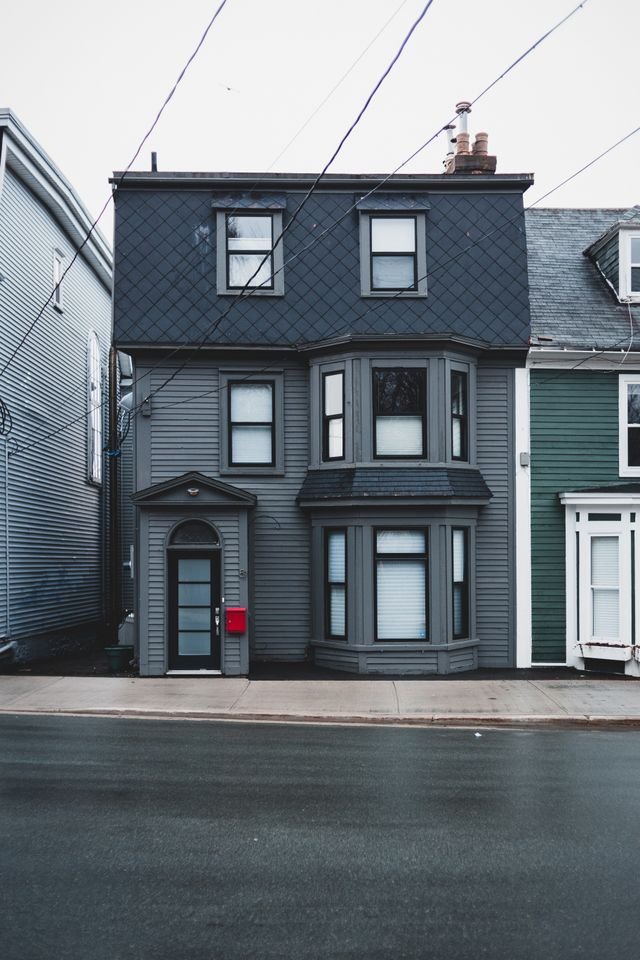
exterior painters adelaide choosing the right colour can completely change how an Adelaide home looks and feels. A colour that appears soft and neutral in a showroom can look much brighter in Adelaide’s strong natural light, while a dark exterior can behave differently again when exposed to direct summer sun.
So, what are the best paint colours for Adelaide homes in 2026?
The answer depends on whether you are painting an interior, exterior, heritage property or modern home. Current Australian colour collections continue to feature warm whites, soft neutrals, earthy tones, muted greens and sophisticated greys, while bold colours are increasingly being used as accents rather than across an entire property.
For Adelaide homeowners, the most useful approach is to combine current colour trends with the architecture of the property, surrounding materials, natural light and the conditions an exterior coating will face.
Warm Whites Are a Strong Choice for Adelaide Interiors
Warm whites remain a versatile option for Adelaide homes because they can create a bright interior without feeling as stark as some cooler whites.
Colours with subtle cream, beige or warm undertones can work particularly well alongside timber flooring, natural stone, warm cabinetry and traditional architectural details.
Australian paint collections include numerous variations of warm whites rather than treating white as a single colour. Dulux, for example, currently features shades such as Natural White and White Exchange Half among its exterior colour schemes.
Why warm whites work
A warm white can make a room feel fresh while retaining some softness. This can be particularly useful in older Adelaide homes where very bright, cool whites may contrast strongly with existing timber, brick or traditional details.
However, always test the actual colour in the room. Australian light can significantly affect how a colour appears, and Haymes specifically notes that Australia’s bright, high-contrast light changes the way colours are perceived in real spaces.
Soft Greige and Beige for a More Contemporary Look
Greige — a combination of grey and beige — continues to be useful for homeowners who want something more substantial than white without moving into a very dark colour.
Soft beige, stone and greige tones can work particularly well with:
- Timber
- Natural stone
- Concrete
- Brick
- Neutral flooring
- Black or charcoal accents
They can also provide a more forgiving background for furniture and decorative features.
For an Adelaide exterior, a muted neutral can help create a contemporary appearance without relying on an extremely dark façade.
Dulux’s current exterior inspiration includes warm neutral shades alongside darker accent colours, showing how neutral main walls can be combined with contrasting trims and architectural features.
Soft Greens Bring an Australian Feel
Muted greens are another colour direction worth considering in 2026.
Instead of highly saturated green, look at softer eucalyptus, sage, olive and grey-green tones. These can work particularly well around established gardens and natural landscaping.
Green can also be useful as a feature colour rather than the main exterior colour.
For example, a neutral exterior could be combined with a muted green front door, pergola detail or selected architectural feature.
This approach gives the home some personality without committing the entire façade to a strong colour.
Earthy Tones Suit Adelaide’s Natural Materials
Earth-inspired colours remain relevant for homes that already contain natural materials.
Think about:
- Warm beige
- Sand
- Clay
- Terracotta
- Muted brown
- Stone
- Soft olive
These colours can complement brick, timber, terracotta paving and garden landscapes.
The surrounding materials should influence the colour decision. Dulux recommends considering existing materials when selecting exterior colours, noting that warm natural materials such as wood and clay tend to work with warmer tones, while concrete can suit cooler colours.
This is especially useful when repainting an existing house rather than starting with a blank design.
Light Grey Is Still Useful — But Choose the Undertone Carefully
Grey can create a clean contemporary appearance, but not every grey behaves the same way.
Cool greys can contain blue or violet undertones, while warmer greys can move towards beige or greige.
In Adelaide’s bright conditions, a grey that looks subtle indoors can appear considerably lighter or cooler outside.
If your home has:
- Bluish roofing
- Cool-toned concrete
- Silver metalwork
- Modern white trims
a cooler grey may coordinate naturally.
For homes with cream brick, timber, sandstone or warm roofing, a warmer grey may be easier to integrate.
Charcoal and Dark Colours Work Best as Deliberate Accents
Dark colours can make a strong architectural statement. Charcoal, deep grey, navy and muted dark green can be particularly effective on front doors, window frames, trims and selected exterior elements.
They can also be used across an entire exterior, but Adelaide homeowners should consider the practical implications before choosing a very dark colour.
Dulux notes that dark exterior colours absorb more radiant heat and can contribute to blistering under direct sunlight. Its guidance also recommends lighter colours to reduce heat absorption and UV exposure.
That does not mean dark colours should automatically be avoided. It means they should be selected with the surface, exposure, coating system and manufacturer’s recommendations in mind.
Best Exterior Colour Combinations for Adelaide Homes
Rather than selecting one colour in isolation, build an exterior palette.
A simple three-part approach is:
Main colour: The dominant wall or façade colour.
Trim colour: Used on areas such as window frames, eaves, fascia or architectural details.
Accent colour: Used selectively on a front door or another feature.
For example, a homeowner might combine a warm neutral exterior with a crisp light trim and a deeper charcoal or green accent.
Dulux’s exterior guidance similarly recommends considering separate colours for the main exterior, trims and accents such as doors, letterboxes and window frames.
The goal is not to make every element a different colour. A restrained palette usually makes it easier to coordinate the existing architecture.
Best Paint Colours for Older Adelaide Homes
Older homes often benefit from colours that respect their architectural character.
Traditional homes may suit:
- Warm whites
- Creams
- Soft greys
- Muted greens
- Heritage-inspired neutrals
- Subtle earthy tones
The existing roof, brickwork, timber, stone and decorative details should be considered before choosing a colour.
For a heritage-style property, a modern high-contrast palette may not always produce the appearance you want. Instead, look at how the colour interacts with the home’s proportions and original features.
Best Interior Colours for Small Adelaide Rooms
If a room receives limited natural light, lighter colours can help create a more open visual impression.
Soft whites, pale warm neutrals and light greige are useful starting points.
Dulux explains that lighter tones can make a room appear larger, while darker tones can create a more enclosed and dramatic feel.
That does not mean small rooms must always be white.
A muted green, blue-grey or warm beige can work well when you deliberately want a more intimate atmosphere.
How Adelaide’s Climate Should Influence Exterior Colour Selection
Adelaide has a Mediterranean climate, with warm to hot, dry summers and cooler, wetter winters. Most rainfall occurs between April and October.
That matters when selecting an exterior colour because the coating will experience significant sunlight exposure during the year.
The Bureau of Meteorology’s 2026 summer summary recorded above-average mean maximum temperatures across Greater Adelaide, reinforcing why exterior exposure should be considered when selecting and specifying a coating system.
Colour alone does not determine how long an exterior paint finish will last. Surface preparation, product selection, application and exposure all matter.
For particularly sunny façades, discuss the colour and coating choice with your painter rather than selecting a colour solely from a screen or small colour card.
Always Test Paint Colours Before Committing
One of the easiest mistakes is choosing a colour from an online image and immediately ordering enough paint for the entire house.
Screens are not reliable substitutes for physical samples.
Paint manufacturers recommend testing colours at the property, and Dulux specifically advises using sample pots, stickers or larger colour swatches before making a final selection.
Look at the sample:
- In morning light
- During the afternoon
- In direct sun
- In shade
- Beside the roof
- Against existing brick or stone
- Next to window frames and trims
A colour should work with the entire property rather than looking good in isolation.
Current 2026 Colour Direction: Natural, Comfortable and Personal
There is no single “2026 colour” that every Adelaide homeowner needs to use.
Current Australian colour resources show continued interest in natural, earthy and softer palettes, alongside stronger colours used selectively. Haymes’ colour resources emphasise Australian light and natural palettes, while its colour forecasting work also explores more expressive approaches to colour.
That creates plenty of flexibility.
A homeowner can keep the main walls neutral and introduce personality through a front door, study, feature wall, cabinetry or architectural detail.
This can also make future decorating changes easier because the dominant colour remains relatively versatile.
Common Mistakes to Avoid
Choosing a Colour Only From a Screen
Digital colours can look different from physical paint.
Ignoring Undertones
A “white” may have yellow, beige, grey or blue undertones that become obvious once it covers a large area.
Using the Same Colour Everywhere
Walls, trims, ceilings, doors and exterior details do not necessarily need identical colours.
Choosing a Very Dark Exterior Without Considering Sun Exposure
Dark colours can absorb more heat and may have different performance considerations in strongly exposed areas.
Following Trends Without Considering the Property
A fashionable colour may not suit the existing roof, brickwork, architecture or landscaping.
Skipping Sample Testing
Always see the actual colour on or immediately beside the surface where practical before committing to the full project.
Frequently Asked Questions
What are the most popular paint colours for Adelaide homes in 2026?
Warm whites, soft neutrals, greige, muted greens, earthy tones and selected charcoal accents are all useful directions. The best choice depends on the home’s architecture, existing materials and natural light.
What exterior colours work well in Adelaide’s climate?
Lighter and mid-tone colours can be practical choices for sun-exposed exterior surfaces because darker colours absorb more heat. Product selection and surface preparation also need to be considered.
Are dark colours a bad choice for Adelaide houses?
Not necessarily. Dark colours can look excellent on modern homes and as accents, but strongly exposed exterior surfaces require careful consideration of heat, UV exposure and the particular coating system.
What is the best white paint for an Adelaide home?
There is no universal best white. Compare warm and cool whites against your flooring, roof, brickwork, cabinetry and natural light. Test physical samples before making the final decision.
Should interior and exterior colours match?
They can, but they do not have to. Using related tones can create continuity while allowing each space to respond to its lighting, materials and purpose.
How many colours should I use on a house exterior?
A simple palette of a main colour, trim colour and selective accent colour is a practical starting point. The architecture of the home should determine whether more or fewer colours are appropriate.
Final Thoughts
The best paint colours for Adelaide homes in 2026 are not necessarily the colours that appear most frequently in trend reports. A successful colour scheme needs to work with the particular property.
Start with the architecture, existing materials and natural light. Then consider warm whites, soft neutrals, greige, muted greens and earthy tones before deciding whether stronger colours are appropriate as accents.
For exterior projects, give additional attention to sunlight and the performance requirements of the chosen coating. Adelaide’s hot, dry summers make exposure an important consideration, particularly on highly sunlit surfaces.
If you are planning to repaint your Adelaide home, test your shortlisted colours at the property and discuss the options with a professional painter before committing to the full project. A small amount of planning at the colour-selection stage can prevent an expensive change of mind later.